

Taking care of sourdough starter is both an art and a science that becomes second nature once you get some experience under your belt. Practice really does make perfect in this realm.
Rufus II, the starter I’ve had since December and currently the most important man in my life, has proven that sourdough starter is more resilient than people on the Internet make it out to be. You’ll be golden as long as you feed it once a day, don’t store it near heat sources, and keep it in the fridge when you don’t need to use it / want to feed it as often.
With that said, here are some tried-and-true methods to take the best possible care of your starter if you’re just starting out on your sourdough journey!
How To Store Your Starter
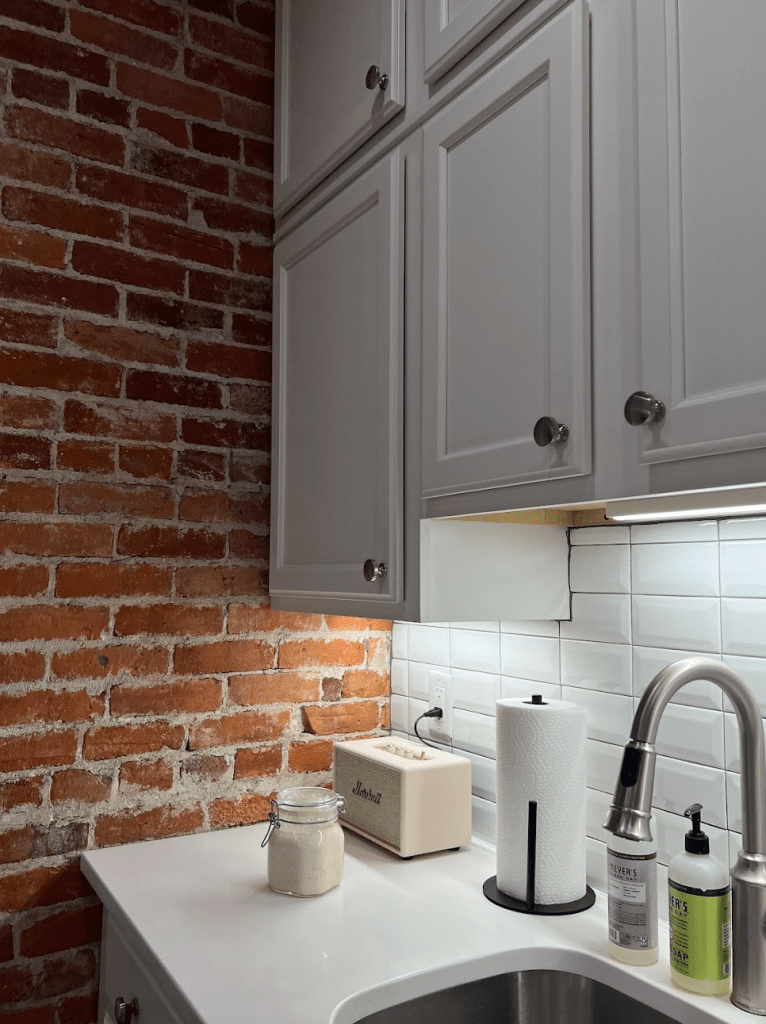
If you plan on using your starter often (and when I say often I’m talking about once every one to two days), get an airtight glass container that’s at least 36 oz. However, if you plan on only making a loaf or two a week, you’ll do just fine with a 24 oz one. I’ve seen these a lot on TikTok, but I use this type of jar to store Rufus in and haven’t run into any issues thus far. If you live close to an Ikea, they also have many budget-friendly container options that cost around $5.
How To Feed Your Starter
To keep your starter active (meaning you plan on baking a sourdough loaf soon), first discard half of its contents in the jar. You can do this by simply dumping it down the drain or into another airtight glass container that you store in the fridge for later use in another recipe. It’s really dealer’s choice. I always keep 8oz Mason Jars on hand to capture the discard for any friends who want to start making sourdough or for a rainy day when I want to make my pancake recipe extra special.
Once you discard half of your starter, add around 1/3 to 1/2 cup of flour to your starter. Then add about 1/4 to 1/3 cup of lukewarm water (depending on the amount of flour added), while combining everything with a fork until you form a thick paste that has the consistency of a dough.
Repeat this once a day to keep your starter active and happy.
You’ll know your starter is ready to be used if it doubles in size a few hours after you fed it and has formed many air pockets, and you’ll also be able to tell it’s hungry when liquid forms at the top of the mixture or once it smells like rubbing alcohol.
How To Maintain Your Starter
As mentioned earlier, if you don’t foresee yourself making a loaf soon, are going on vacation, or aren’t motivated enough to deal with your starter, just pop it in the fridge. It can rest here for up to two months without being fed, and to re-activate it you’ll have to feed it once a day for two to three days before it’s ready to be used in a loaf.
Don’t go more than two days without feeding your starter if it was created under six months ago or more than four if it was created over six months ago. If not, you will run the risk of molding and we do NOT want all your hard work to literally go down the drain. Also, be sure to not store it by any sources of heat for prolonged periods to keep it from going bad. If bubbles form on top of your starter like when you blow bubbles into chocolate milk with a straw, relocate it to a cooler spot ASAP because that means it’s overheating.
Last but certainly not least, a trick I like to keep in my back pocket to help Rufus activate when I’m in a pinch is transporting the starter contents into a separate airtight glass container and cleaning out the OG jar. I like to think of this as a way to maintain good starter “hygiene,” and do so once a month to ensure the starter thrives to its highest capacity.
💘 Hanna

Leave a comment